

Stress and Burnout
What is Stress & Burnout?
Stress is a significant health problem in Australia with about one-third of children and half of adults reporting high levels of stress. When stress levels are very high and last a long time people can suffer burnout which is a state of emotional, mental and physical exhaustion.
Research indicates that Australia is the most “burnt out” nation in the world, with over half of Australians experiencing burnout. The symptoms of burnout can differ from one person to another, but often include anxiety, brain fog, depression, difficulties with attention and memory, exhaustion (both emotional and physical), insomnia, reduced motivation, procrastination and withdrawal from friends or family.
Stress & Burnout: A Brain Perspective
It makes sense to take steps to help manage stress and experts agree that focusing on a “brain healthy lifestyle” can make a big difference. It’s also important to recognise if you are feeling burnt out. Many people find it helpful to create a ‘Burnout Recovery Plan’ that focuses on rest, self-care and setting work/home boundaries.
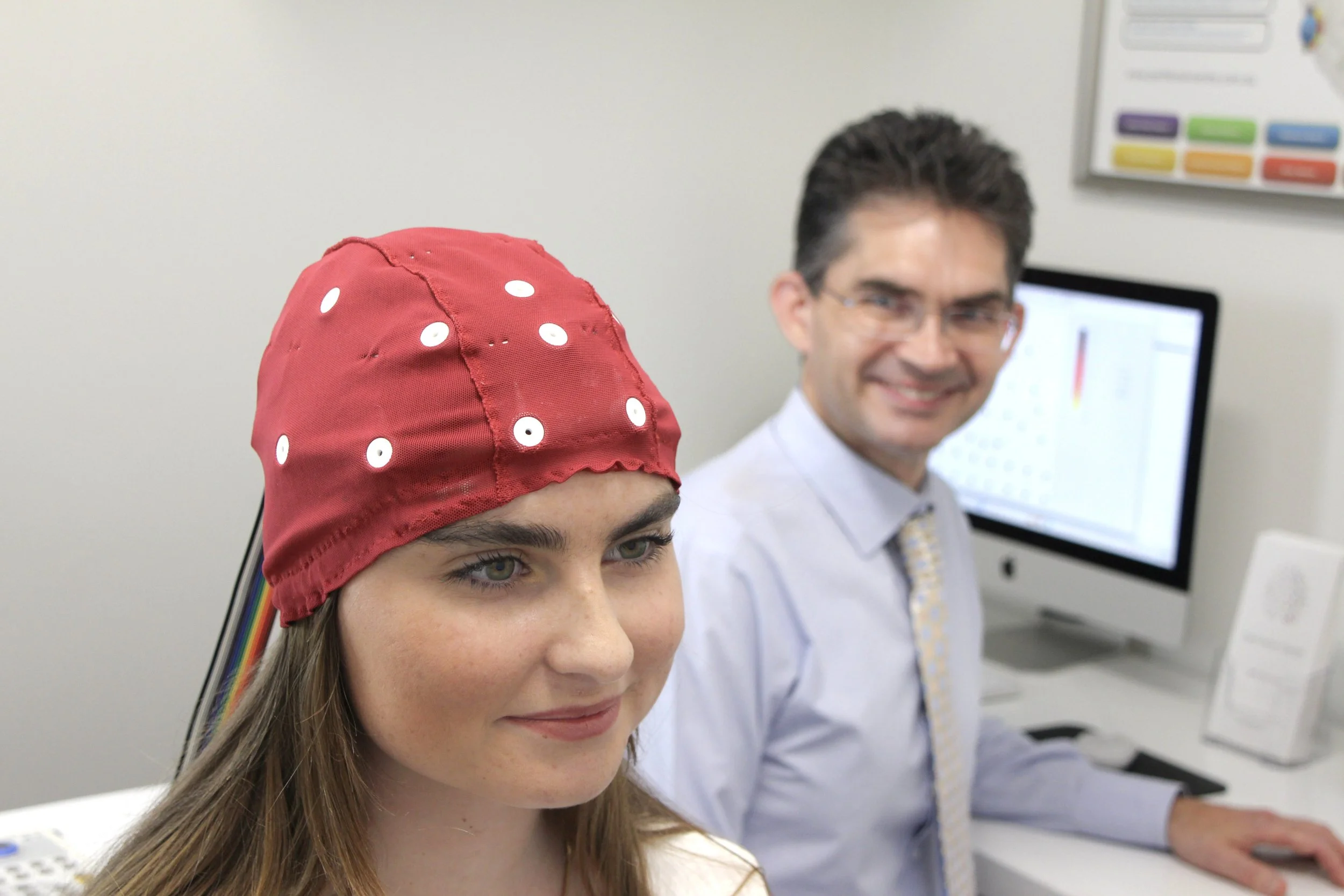
Experts around the world also agree that Stress and Burnout are often associated with problems with key regions of the brain controlling attention, emotional regulation and executive function (decision-making, impulse-control, planning, problem-solving & working memory). Brain scans that measure how the brain is working, such as QEEG, can help to localise the areas of the brain that are not working optimally. This important information can be used to guide personalised drug-free brain-training programs that work by helping to “re-wire” or “re-train” the brain.
Brain-Training Programs
The good news is that recovery is possible, you just need the right plan and the right support. Of course, there is no “one size fits all” approach to helping people recover from stress and burnout, and we believe that people should be able to make an informed choice based on the range of treatments now available.
Perth Brain Centre leads a pioneering approach to helping people recover from stress and burnout, focusing on the brain’s natural ability to change, known as neuroplasticity. We provide drug-free, evidence-based, personalised brain-training programs to help people recover from stress and burnout.
From The People We Have Helped
1. Assessment Phase
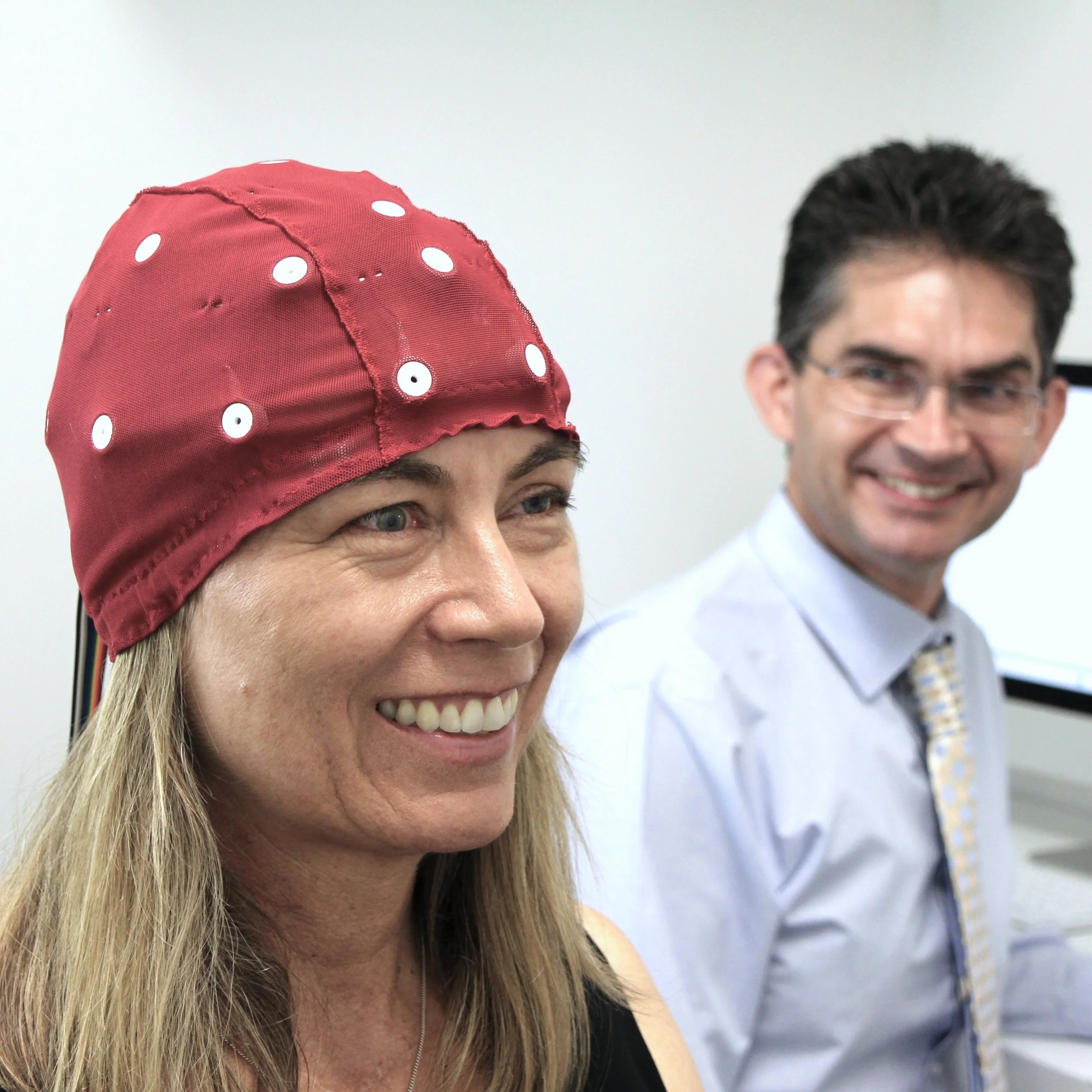
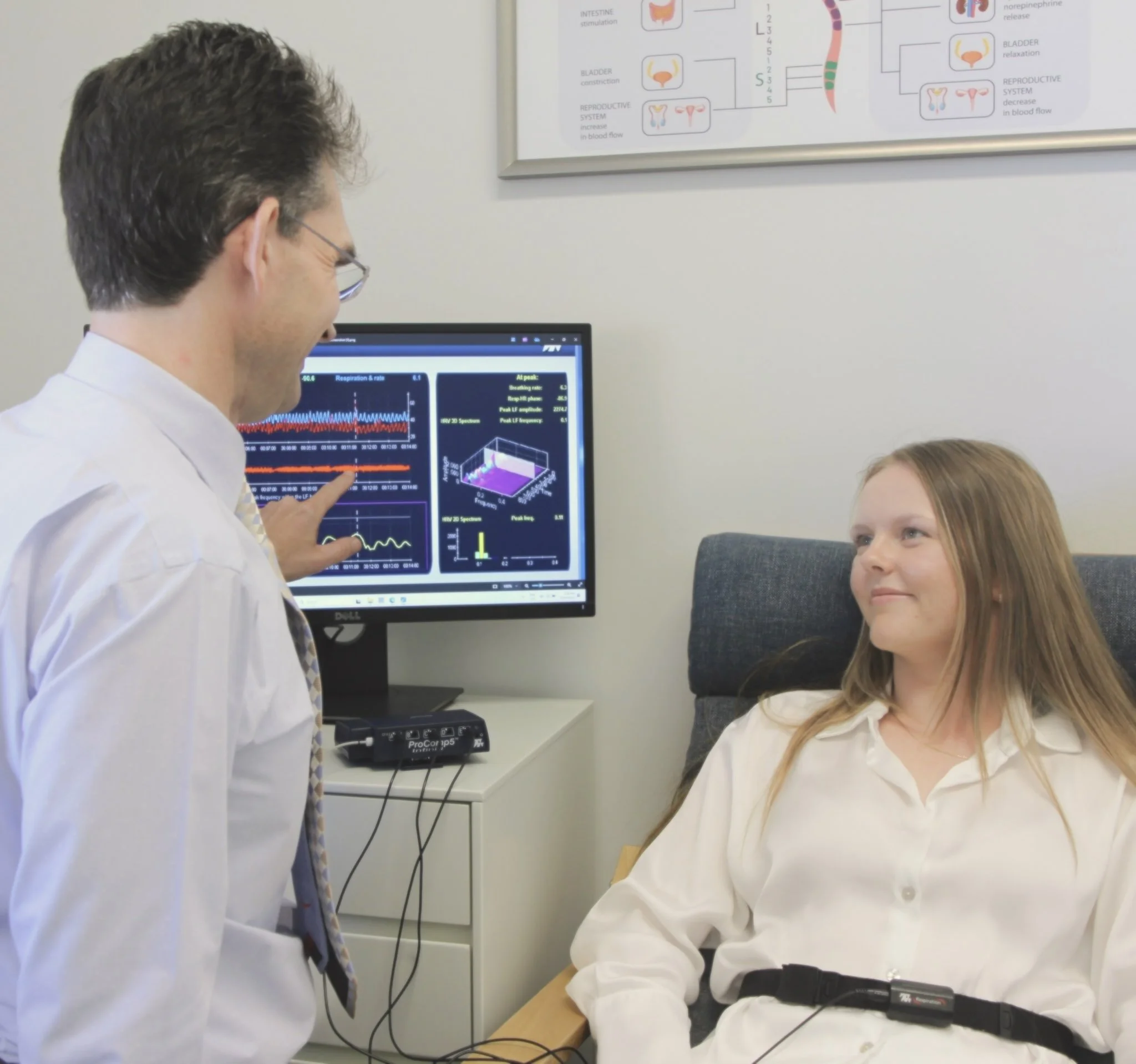
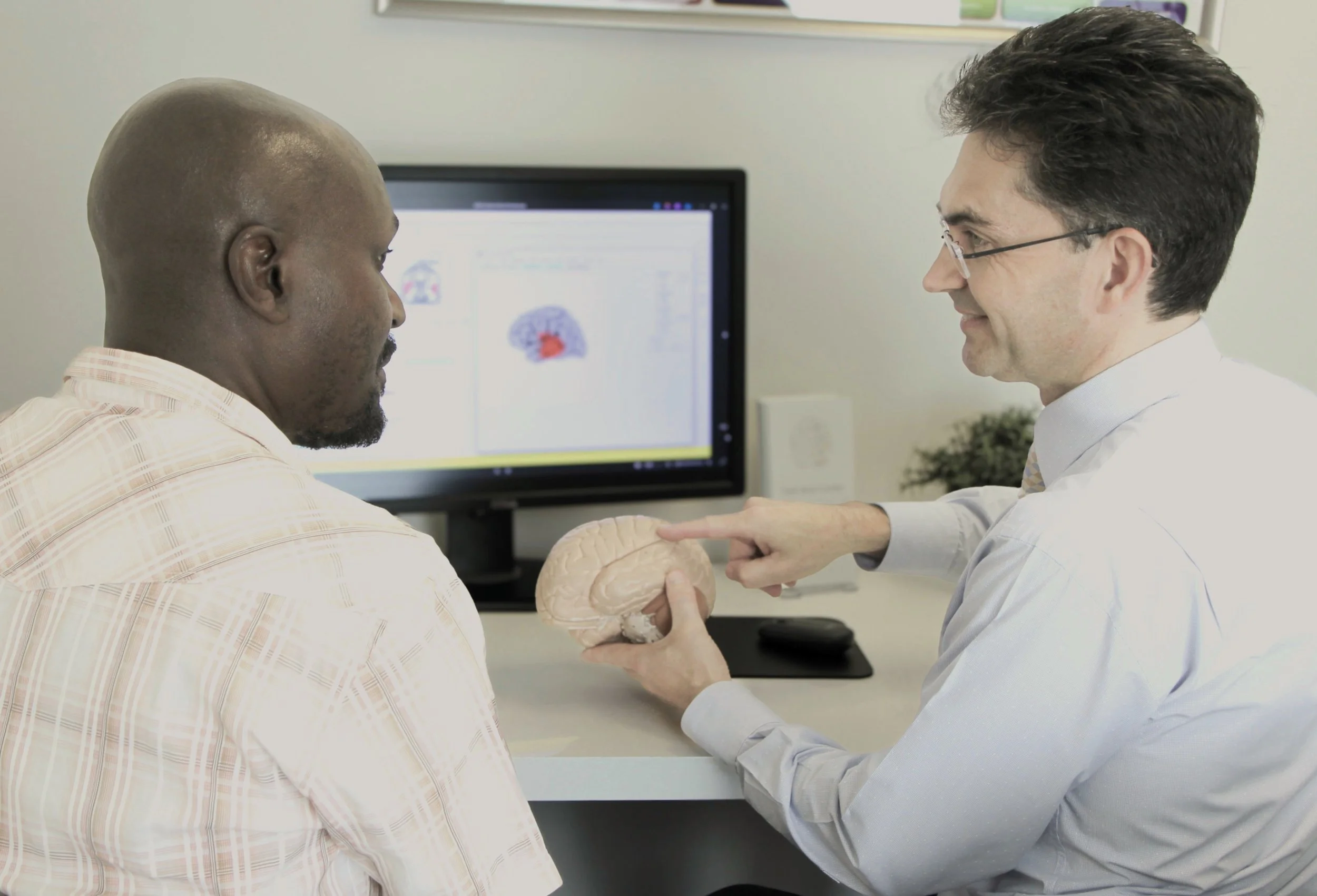
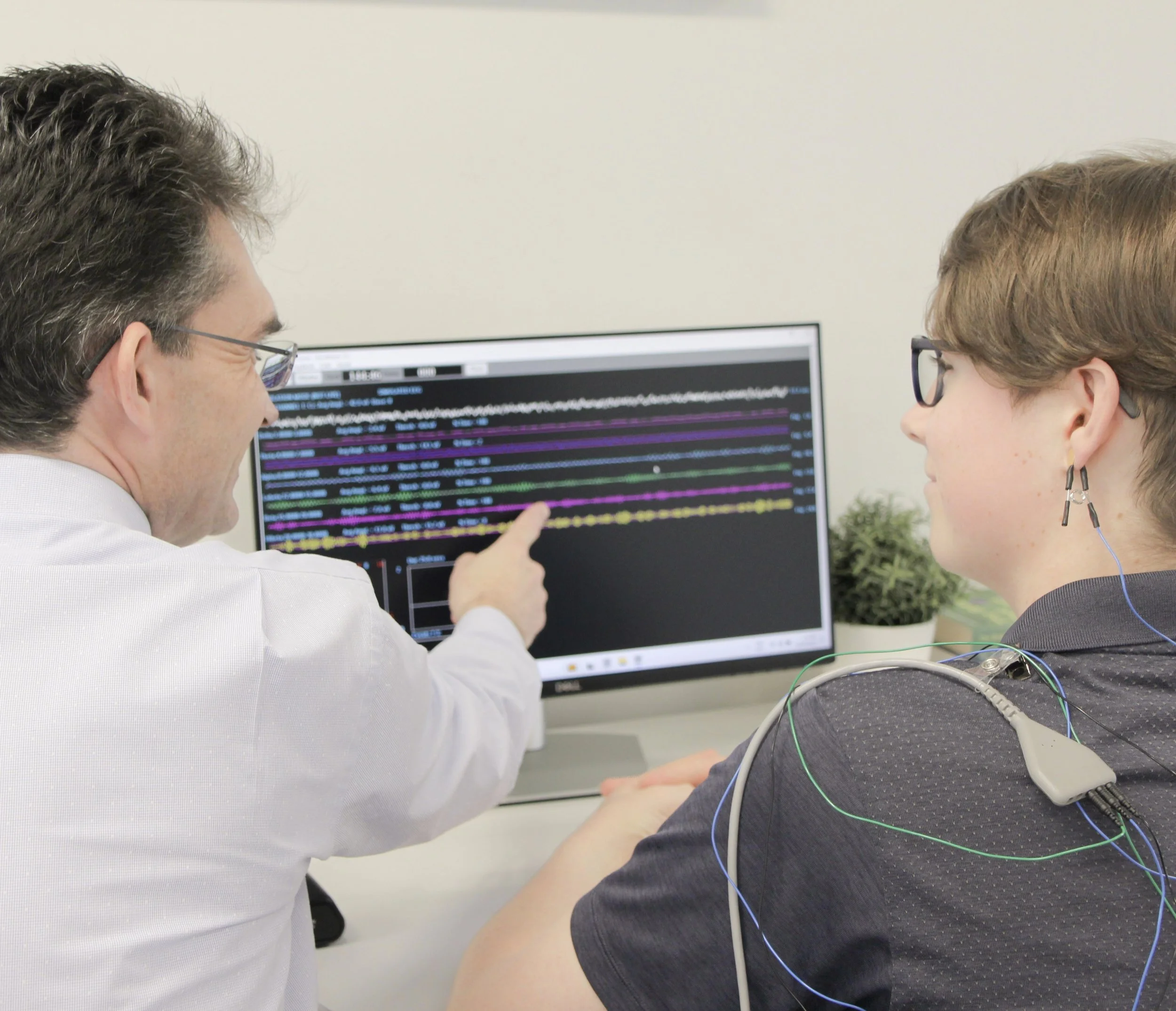
We start by getting to know you. Across 3 appointments, we’ll talk through your concerns, answer any questions, safely map your brain activity using a QEEG Brain Scan, and then explain your results and recommendations in a clear, easy-to-understand way.
There’s no commitment - The Assessment Phase is about asking questions and getting answers.
Train Your Brain at Perth Brain Centre
2. Training Phase
This is where change begins.
If you decide to move forward, we will be happy to organise your personalised training program based on your brain scan results and our recommendations. Our caring and supportive clinician team will guide you through your training as you begin to feel calmer, clearer and in more control.
3. Reassessment Phase
Once you have completed your training, we will arrange a follow-up QEEG Brain Scan and a Clinical Review with Daniel Lane. These important appointments provide opportunities to assess your overall progress, answer any questions you may have and provide any further advice or recommendations.
We have more than
15 Years+
Experience
We have helped
11,000+
West Australians
We have conducted over
15,000+
QEEG Brain Scans
Ready to discover more?
Join thousands of other West Australians who have trusted us with their health for over 15 years. We have a simple 3-Step process to help you better understand your brain and improve your health and well-being.
Discover how our personalised brain-training programs can help you get the answers you’re looking for and the results you need.